Longmont runs its own water and sewer utility, and its water is soft, typically 1 to 2 grains per gallon. Owners own the sewer service line to the city main, and water heaters need a City of Longmont permit. Plumber Denver CO is a free referral service, not a plumbing company; call the number on this page to be connected with a local plumber in Longmont.
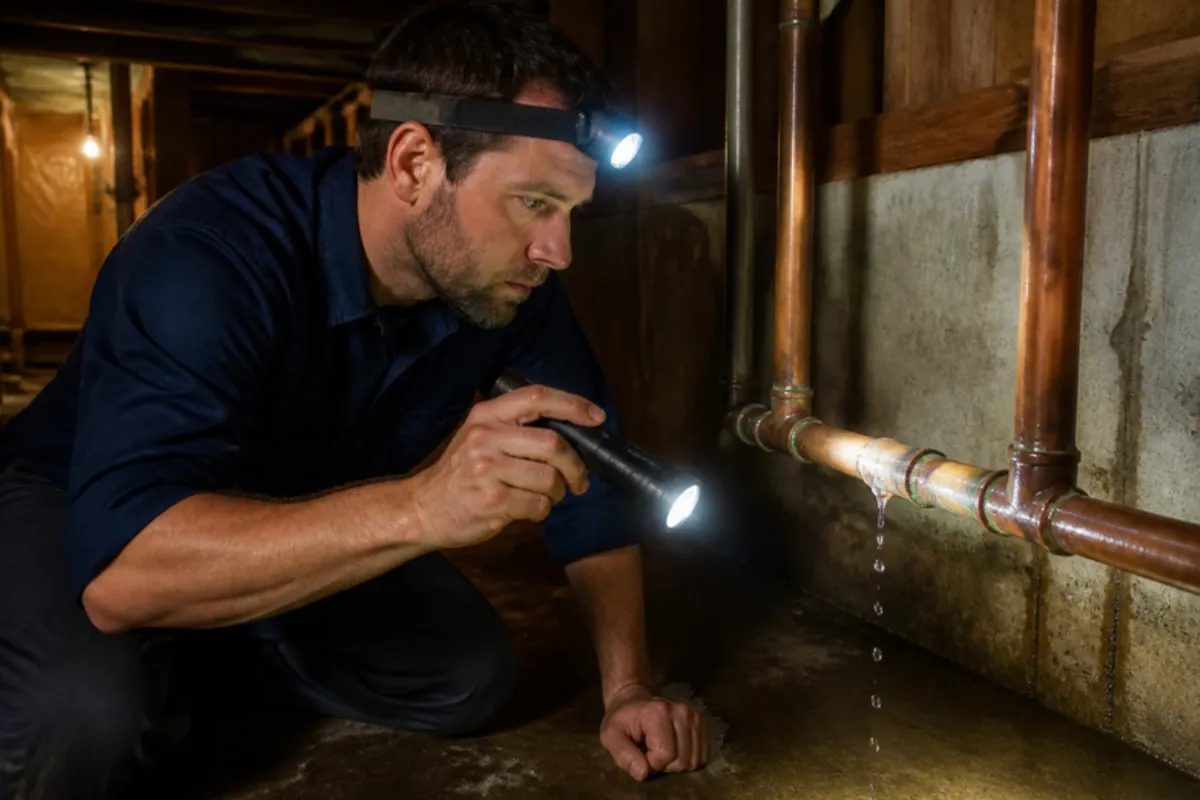
Plumbing services in Longmont
The northern edge of the metro
Longmont lies in Boulder and Weld counties on the northern Front Range, about 30 miles from downtown Denver in a straight line and closer to Boulder than to Denver. The Chicago-Colorado Colony founded it in 1871, and the 2020 Census counted 98,885 residents. Main Street, which is also US 287, holds the revived downtown, and Prospect New Town, State Highway 119, Vance Brand Municipal Airport and St. Vrain Creek mark out the rest of the city.
Mountain water, soft at the tap
Longmont's water comes from the North and South St. Vrain creeks, stored in Ralph Price Reservoir, and from Colorado-Big Thompson Project water drawn from the Colorado and Fraser rivers by way of Lake Granby, Grand Lake and Carter Lake. The Wade Gaddis and Nelson Flanders plants treat it and disinfect with chlorine. The city's report describes the water as soft, typically 1 to 2 grains per gallon, so scale buildup is much less of a concern than in harder-water suburbs and a softener is rarely the first fix for a problem.
The city's service line inventory classified every water service line in Longmont as non-lead. The city maintains the sewer mains and checks main-line problems, but the sewer service line from the house to the main belongs to the property owner. Water Utilities answers at (303) 651-8416 on weekdays; after hours, the city sends callers to Longmont Public Safety Dispatch.
Backflow rules that reach some homes
Every non-single-family connection is surveyed under the city's cross-connection program, and single-family homes can need assemblies for a dedicated irrigation line, a fire sprinkler system or a boiler. Irrigation has to be protected by a high-hazard assembly, and new or replacement assemblies must be the reduced pressure zone (RPZ) type unless the city approves otherwise, with a miscellaneous permit from Building Inspection. Tests are due yearly and after any installation, repair or move, filed through the city's SwiftComply portal.
Housing and permits
The median Longmont home was built in 1991, and about 37% predate 1980, with the older stock concentrated near downtown. Building Services at the Development Services Center, 385 Kimbark Street ((303) 651-8332), requires a permit for any change to plumbing, gas, mechanical or electrical systems, and water heaters are on its list.
Gas, the Denver contrast and what to expect
Xcel Energy supplies gas, and the city tells residents to contact Xcel at 1-800-895-2999 right away for a gas odor; leave the house first and call 911 too. Denver's water is softer to moderately hard and chloraminated, while Longmont's is soft and chlorinated, and the permit office, sewer utility and backflow rules are all Longmont's own. Call the number on this page and you will be connected with an independent plumber serving Longmont who settles pricing with you.
Common questions in Longmont
Is Longmont's water hard or soft?
Who owns the sewer line from my Longmont house to the street?
Does a Longmont sprinkler system need an RPZ backflow assembly?
Do I need a permit to replace a water heater in Longmont?
Nearby cities and towns
Sources
- Wikipedia: Longmont, Colorado
- City of Longmont: About Longmont
- U.S. Census QuickFacts: Longmont city
- City of Longmont: 2025 Water Quality Report (PDF)
- City of Longmont: Lead protection for Longmont water
- City of Longmont: Sewer lines
- City of Longmont: Water
- City of Longmont: Backflow prevention
- Point2Homes: Longmont demographics (housing age)
- City of Longmont: Building permits
- City of Longmont: Outside agency resources
Last updated: